
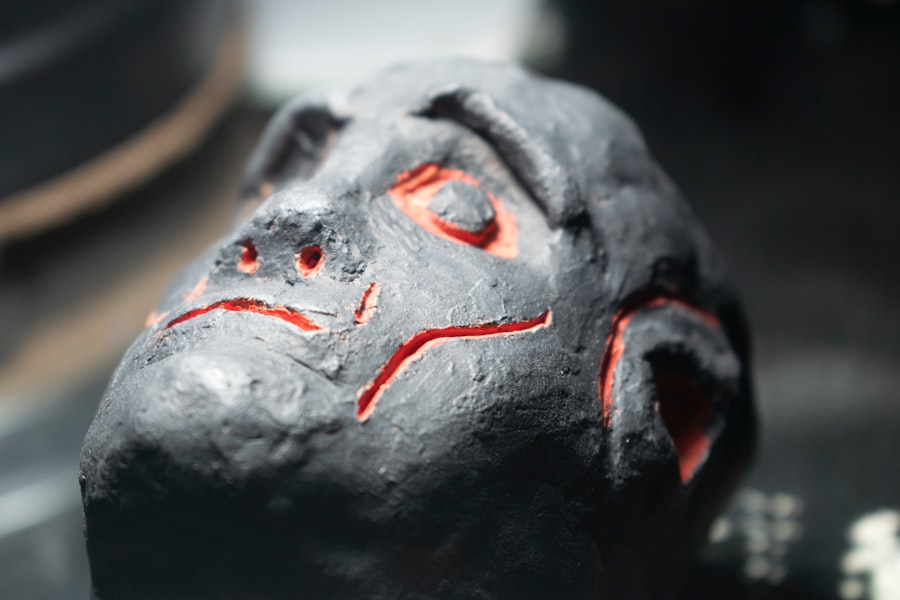
The origins of bronze busts can be traced back to the early civilisations of the ancient world, where the use of bronze as a medium for artistic expression began to flourish. In cultures such as Mesopotamia, Egypt, and the Indus Valley, artisans crafted intricate sculptures that often served both decorative and religious purposes. These early works were not merely representations of individuals; they were imbued with cultural significance, often depicting deities, rulers, or important figures within society.
The choice of bronze as a material was not incidental; its durability and ability to capture fine details made it an ideal medium for creating lasting representations of power and divinity. As we delve deeper into the history of these ancient civilisations, we find that the techniques used to create bronze busts were highly sophisticated for their time. The lost-wax casting method, which allowed for intricate designs and fine details, became a hallmark of bronze sculpture.
This technique involved creating a model in wax, encasing it in clay, and then melting away the wax to create a mould for the molten bronze. This process not only showcased the skill of the artisans but also reflected the societal values of the time, where art was often intertwined with politics and religion. The resulting busts were not just artistic achievements; they were symbols of authority and reverence, serving to immortalise those who were depicted.
Summary
- Bronze busts have been found in ancient civilizations such as Egypt, Greece, and Rome, serving as a way to honor and immortalize important figures.
- In classical antiquity, bronze busts evolved to become more realistic and detailed, reflecting the advancements in art and sculpture during this period.
- The Renaissance and Baroque periods saw a resurgence of interest in bronze busts, with artists such as Donatello and Bernini creating lifelike and emotive sculptures.
- Neoclassical and Romantic art movements embraced bronze busts as a way to celebrate heroism and individualism, with artists like Jean-Antoine Houdon and Antonio Canova leading the way.
- Bronze busts continue to be a popular form of artistic expression in the modern and contemporary art world, with artists experimenting with new styles and techniques.
The Evolution of Bronze Busts in Classical Antiquity
As we transition into classical antiquity, we witness a significant evolution in the form and function of bronze busts. The Greeks and Romans took the art of sculpture to new heights, refining techniques and expanding the thematic scope of their works. Greek sculptors, in particular, began to focus on realism and idealism, striving to capture not only the physical likeness of their subjects but also their character and virtues.
This shift marked a departure from earlier representations that were often stylised or symbolic. The bronze busts from this period became celebrated for their lifelike qualities, with attention paid to facial expressions, hair textures, and even the play of light on the surface. In Roman society, bronze busts served both personal and public functions.
Wealthy citizens commissioned portraits to display their status and lineage, while emperors used busts as propaganda tools to project their power and divine right to rule. The Romans excelled in producing veristic portraits that emphasised age and experience, contrasting sharply with the idealised forms of Greek art. This focus on realism allowed for a deeper connection between the viewer and the subject, as these busts conveyed not just physical attributes but also a sense of personality and history.
The legacy of these classical bronze busts continues to influence artists today, as they laid the groundwork for future explorations of human representation in art.
Bronze Busts in the Renaissance and Baroque Periods
The Renaissance marked a profound revival of interest in classical antiquity, leading to a resurgence in the creation of bronze busts. Artists such as Donatello and Andrea del Verrocchio drew inspiration from ancient models while infusing their works with a renewed sense of humanism. During this period, we see a shift towards more expressive forms, with artists experimenting with posture and gesture to convey emotion and narrative.
The use of bronze allowed for intricate detailing that enhanced the lifelike quality of these busts, making them not only representations of individuals but also reflections of their inner lives. As we move into the Baroque period, the evolution of bronze busts takes on a dramatic flair. Artists like Gian Lorenzo Bernini pushed the boundaries of sculpture by incorporating movement and dynamism into their works.
The Baroque style embraced emotional intensity and theatricality, resulting in busts that seemed to come alive with energy. This period also saw an increase in the use of bronze for monumental sculptures, with busts becoming integral components of larger artistic ensembles. The interplay between light and shadow on the polished surfaces of these works added depth and complexity, inviting viewers to engage with them on multiple levels.
The Rise of Bronze Busts in Neoclassical and Romantic Art
The Neoclassical movement emerged as a reaction against the excesses of the Baroque period, drawing inspiration from the simplicity and clarity of classical art. During this time, bronze busts became emblematic of Enlightenment ideals, celebrating reason, virtue, and civic duty. Artists such as Antonio Canova and Jean-Antoine Houdon created works that reflected these values through their meticulous attention to detail and adherence to classical forms.
The subjects of these busts often included philosophers, statesmen, and other figures who embodied the principles of rational thought and moral integrity. In contrast, the Romantic period introduced a new emotional depth to bronze busts. Artists began to explore themes of individualism and personal expression, moving away from the rigid ideals of Neoclassicism.
This shift allowed for greater experimentation with form and style, as artists sought to capture the complexities of human experience. The Romantic approach often involved a more expressive treatment of materials, with bronze being used to convey not just likeness but also mood and atmosphere. This evolution reflected broader societal changes as artists responded to the tumultuous events of their time, including revolutions and shifts in cultural identity.
Bronze Busts in the Modern and Contemporary Art World
As we enter the modern era, the role of bronze busts continues to evolve dramatically. Artists began to challenge traditional notions of representation and form, leading to innovative approaches that redefined what a bust could be. Movements such as Cubism and Surrealism introduced abstraction into sculpture, allowing artists like Pablo Picasso and Alberto Giacometti to experiment with shape and perspective in ways that had never been seen before.
These modern interpretations often blurred the lines between reality and imagination, inviting viewers to engage with art on a more conceptual level. In contemporary art, bronze busts have taken on new meanings as artists explore themes related to identity, culture, and social commentary. Works by contemporary sculptors such as Kehinde Wiley and Yinka Shonibare challenge traditional representations by incorporating elements that reflect diverse cultural narratives.
These artists use bronze not only as a medium but also as a means to provoke thought about historical representation and power dynamics within society. The versatility of bronze allows for a wide range of expressions, ensuring that this ancient medium remains relevant in today’s artistic landscape.
Notable Bronze Busts Throughout History
Throughout history, numerous bronze busts have captured our imagination and left an indelible mark on art and culture. One such example is the iconic bust of Nefertiti from ancient Egypt, which exemplifies beauty and elegance while serving as a testament to the artistry of its creators. In classical antiquity, we cannot overlook the remarkable busts of Roman emperors like Augustus or Julius Caesar, which played pivotal roles in shaping public perception and political power.
Moving forward in time, we encounter notable works from the Renaissance period, such as Donatello’s “David,” which showcases not only technical mastery but also an exploration of human emotion. In more recent history, we find ourselves captivated by contemporary pieces like Kehinde Wiley’s reinterpretation of traditional portraiture that challenges historical narratives while celebrating diversity. Each of these works contributes to our understanding of cultural identity and artistic expression across different eras.
The Process of Creating a Bronze Bust
The creation of a bronze bust is a meticulous process that requires both artistic vision and technical skill. It typically begins with sculpting a model from materials such as clay or wax. This initial stage allows artists to experiment with form and detail before committing to the final piece.
Once satisfied with the model, they encase it in a mould made from materials like plaster or silicone. This step is crucial as it captures every nuance of the original sculpture. After creating the mould, artisans employ the lost-wax casting method to produce the final bronze bust.
This involves pouring molten bronze into the mould after removing the wax model. Once cooled and solidified, the mould is broken away to reveal the finished piece. The final steps include polishing and patinating the surface to achieve desired textures and colours.
This intricate process not only showcases an artist’s craftsmanship but also highlights the enduring appeal of bronze as a medium for capturing human likenesses.
The Enduring Legacy of Bronze Busts in Art and Culture
The legacy of bronze busts is profound and far-reaching, influencing countless generations of artists while serving as cultural touchstones throughout history. These sculptures have transcended their original contexts to become symbols of artistic achievement and human expression. They remind us not only of individual identities but also of broader societal narratives that shape our understanding of history.
In contemporary culture, bronze busts continue to inspire new interpretations while sparking conversations about representation and identity. As we reflect on their enduring significance, we recognise that these works are more than mere objects; they are vessels through which we explore our shared humanity across time and space. Whether displayed in museums or public spaces, bronze busts invite us to engage with our past while contemplating our future in an ever-evolving artistic landscape.
FAQs
What is a bronze bust?
A bronze bust is a sculpture representing a person’s head, neck, and upper chest, typically created in bronze. It is a three-dimensional representation of a person’s likeness, often used as a form of portraiture.
What is the history of bronze busts?
Bronze busts have a long history dating back to ancient times. They were commonly used in ancient Greece and Rome as a way to honor and commemorate important individuals such as rulers, philosophers, and athletes. The tradition of creating bronze busts continued through the Renaissance and into modern times, evolving in style and technique.
How are bronze busts made?
Bronze busts are typically created through a process called lost-wax casting. This involves creating a wax model of the bust, encasing it in a mould, melting the wax to leave a cavity, and then pouring molten bronze into the mould. Once the bronze has cooled and solidified, the mould is removed, and the finishing touches are added to the sculpture.
What are some famous examples of bronze busts?
Famous examples of bronze busts include the bust of Nefertiti from ancient Egypt, the bust of Julius Caesar from ancient Rome, and the bust of Queen Nefertiti from the Renaissance period. In modern times, artists such as Auguste Rodin and Alberto Giacometti have also created notable bronze busts.
How are bronze busts used in modern art?
In modern art, bronze busts are used as a form of portraiture and commemoration, often depicting influential figures in society. They are also used as decorative pieces in public spaces, museums, and private collections, serving as a way to preserve and celebrate the likeness of individuals throughout history.