

Bronze sculpting is an art form that has captivated humanity for millennia, tracing its roots back to ancient civilisations. The earliest known bronze sculptures date back to around 3500 BC in Mesopotamia, where artisans began to experiment with the alloy of copper and tin. This innovative combination not only provided a durable medium for sculpting but also allowed for intricate designs and details that were previously unattainable with stone or wood.
As you delve into the history of bronze sculpting, you will discover how this medium evolved alongside human culture, reflecting the values, beliefs, and artistic aspirations of various societies. As you explore further, you will find that the ancient Greeks and Romans significantly advanced the craft of bronze sculpting. The Greeks, in particular, perfected techniques that allowed for lifelike representations of the human form, capturing movement and emotion in their works.
Statues such as the famous Discobolus, or Discus Thrower, exemplify the mastery of proportion and anatomy that characterised Greek art. The Romans, inheriting this tradition, produced bronze sculptures that celebrated their emperors and deities, often using lost-wax casting techniques to create detailed and durable pieces. This rich history underscores the timeless nature of bronze sculpting, as it continues to inspire artists and collectors alike.
The Process of Bronze Sculpting: From Concept to Creation
The journey from concept to creation in bronze sculpting is a meticulous process that requires both artistic vision and technical skill. Initially, you would begin with a concept sketch or model, which serves as a blueprint for the final sculpture. This stage is crucial, as it allows you to refine your ideas and consider the proportions, poses, and details that will bring your vision to life.
Once satisfied with the design, you would typically create a maquette, a small-scale model that helps in visualising the final piece and making any necessary adjustments before moving on to the larger sculpture. The next phase involves the actual sculpting process, which can be done using various methods. One common technique is the lost-wax casting method, where a wax model is covered in a ceramic shell.
Once the shell hardens, the wax is melted away, leaving a cavity into which molten bronze is poured. This method allows for intricate details and textures to be captured in the final piece. After the bronze has cooled and solidified, you would remove the shell and begin the finishing process, which includes polishing, patination, and sometimes additional detailing.
This meticulous attention to detail ensures that each bronze sculpture is not only a work of art but also a testament to your dedication as an artist.
Timeless Elegance: The Beauty and Durability of Bronze Sculptures
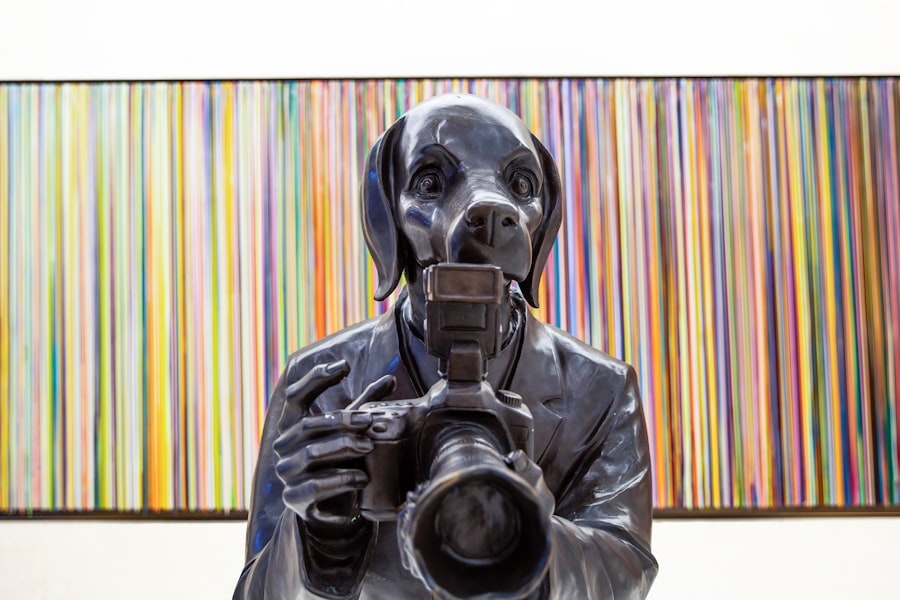
One of the most compelling aspects of bronze sculptures is their inherent beauty and durability. The warm tones of bronze can range from deep browns to rich golds, creating a visual appeal that is both striking and sophisticated. As you observe various bronze sculptures, you will notice how light interacts with their surfaces, casting shadows and highlights that enhance their three-dimensionality.
This interplay of light and form adds depth to each piece, inviting viewers to engage with the artwork on multiple levels. Moreover, bronze’s durability ensures that these sculptures can withstand the test of time. Unlike other materials that may deteriorate or fade over the years, bronze develops a unique patina that can enhance its character and beauty.
This natural ageing process can result in stunning green or blue hues, adding layers of history and intrigue to each piece. As you appreciate the elegance of bronze sculptures, you will come to understand why they have been cherished throughout history and continue to be a popular choice for artists today.
Exploring the Versatility of Bronze as a Medium for Sculpting
Bronze is an incredibly versatile medium that allows artists to explore a wide range of styles and techniques in their sculpting practice. Whether you are drawn to abstract forms or realistic representations, bronze can accommodate your artistic vision with ease. Its malleability enables you to create intricate details and textures that can elevate your work beyond mere representation into realms of expression and emotion.
Additionally, bronze can be combined with other materials such as stone or glass, further expanding its potential for creative exploration. This versatility means that you can experiment with mixed media approaches, creating sculptures that challenge traditional boundaries and invite new interpretations. As you engage with bronze as a medium, you will discover how it can adapt to your artistic intentions while maintaining its timeless appeal.
The Timeless Appeal of Bronze Sculptures in Art and Culture
Bronze sculptures have long held a significant place in art and culture across various societies. From ancient civilisations to contemporary art movements, these sculptures have served as symbols of power, beauty, and human achievement. As you reflect on their role in cultural narratives, you will find that bronze sculptures often embody the ideals and aspirations of their time, whether depicting heroic figures or celebrating everyday life.
In modern times, bronze sculptures continue to resonate with audiences around the world. Public installations in parks and urban spaces invite interaction and contemplation, while galleries showcase the works of contemporary artists who push the boundaries of this ancient medium. The enduring appeal of bronze lies not only in its aesthetic qualities but also in its ability to connect people across generations through shared experiences and cultural heritage.
The Enduring Legacy of Bronze Sculpting Throughout History
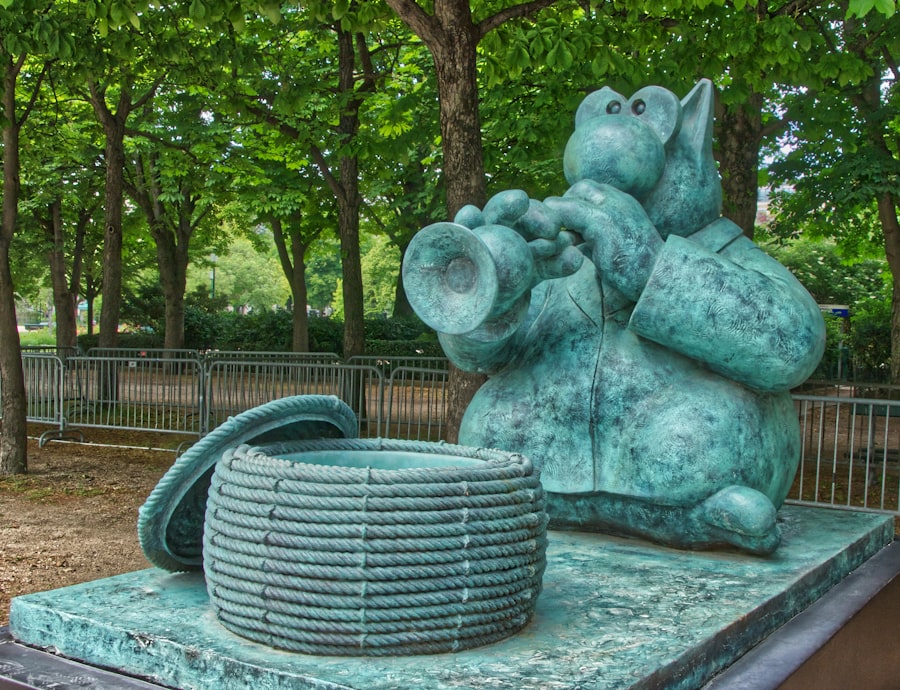
The legacy of bronze sculpting is woven into the fabric of human history, reflecting our collective journey through time. As you study various periods and styles of sculpture, you will notice how each era has contributed to the evolution of this art form. From the grand statues of ancient Egypt to the intricate works of the Renaissance, each piece tells a story about the society that created it.
This enduring legacy is also evident in the way contemporary artists draw inspiration from historical techniques while infusing their work with modern sensibilities. By embracing both tradition and innovation, these artists ensure that bronze sculpting remains relevant in today’s artistic landscape. As you explore this rich history, you will come to appreciate how bronze sculptures serve as a bridge between past and present, connecting us to our shared human experience.
The Timeless Elegance of Classical Bronze Sculptures
Classical bronze sculptures are often regarded as some of the finest examples of artistic achievement in history. The elegance of these works lies not only in their technical mastery but also in their ability to convey profound themes such as beauty, heroism, and divinity. As you examine classical pieces like Michelangelo’s David or Donatello’s Judith and Holofernes, you will be struck by their lifelike quality and emotional depth.
These sculptures often reflect the ideals of their time, showcasing an appreciation for human form and expression that transcends cultural boundaries. The attention to detail in classical bronze works invites viewers to engage with them on a personal level, evoking feelings of admiration and contemplation. As you immerse yourself in this world of timeless elegance, you will gain insight into how these masterpieces continue to inspire artists today.
Contemporary Bronze Sculpting: Innovations and Modern Interpretations
In recent years, contemporary bronze sculpting has seen a resurgence as artists explore new techniques and concepts within this traditional medium. You may find yourself captivated by innovative approaches that challenge conventional notions of sculpture while still honouring the rich history of bronze work. Artists today are experimenting with scale, form, and subject matter, creating pieces that resonate with modern audiences.
Moreover, contemporary artists often incorporate social commentary into their work, using bronze as a means to address pressing issues such as identity, environment, and politics. This fusion of tradition and innovation allows for a dynamic dialogue between past and present, ensuring that bronze sculpting remains a vital part of contemporary art discourse. As you engage with these modern interpretations, you will discover how they reflect our current cultural landscape while paying homage to the timeless qualities of bronze.
The Timeless Allure of Bronze Sculptures in Outdoor Spaces
Bronze sculptures have an undeniable allure when placed in outdoor settings. Their durability makes them ideal for gardens, parks, and public spaces where they can be appreciated by all who pass by. As you stroll through these environments adorned with bronze artworks, you will notice how they interact with nature—reflecting sunlight during the day or casting intriguing shadows at dusk.
The presence of bronze sculptures in outdoor spaces also invites contemplation and connection among viewers. They serve as focal points for gatherings or quiet moments of reflection amidst bustling surroundings. This ability to foster community engagement adds another layer to their timeless appeal; they become not just objects of beauty but integral parts of our shared experiences in public life.
The Timeless Elegance of Bronze Sculpting in Interior Design
In interior design, bronze sculptures offer a touch of sophistication that elevates any space. Their rich tones complement various colour palettes while adding depth through texture and form. Whether displayed on a mantelpiece or as part of an art installation within a gallery-like setting at home, these sculptures create visual interest that draws the eye.
Moreover, incorporating bronze into interior design allows for versatility in style—from classical pieces that evoke grandeur to contemporary works that reflect modern aesthetics. As you consider how best to integrate bronze sculptures into your living spaces, think about how they can enhance not only your decor but also your overall atmosphere—creating an environment that feels both timeless and inviting.
Preserving the Timeless Elegance of Bronze Sculptures: Maintenance and Care Tips
To ensure that your bronze sculptures retain their timeless elegance over time requires proper maintenance and care. Regular cleaning is essential; using a soft cloth or sponge with mild soap can help remove dirt without damaging the surface finish. Avoid abrasive materials or harsh chemicals that could scratch or discolour the bronze.
Additionally, consider applying a protective wax coating periodically to preserve its shine while preventing tarnishing from environmental factors such as humidity or pollution. If your sculpture develops a patina over time—a natural process—embrace it as part of its character rather than attempting to remove it entirely; this unique ageing adds depth and history to your piece. By following these care tips diligently, you can ensure that your bronze sculptures continue to exude elegance for generations to come.