
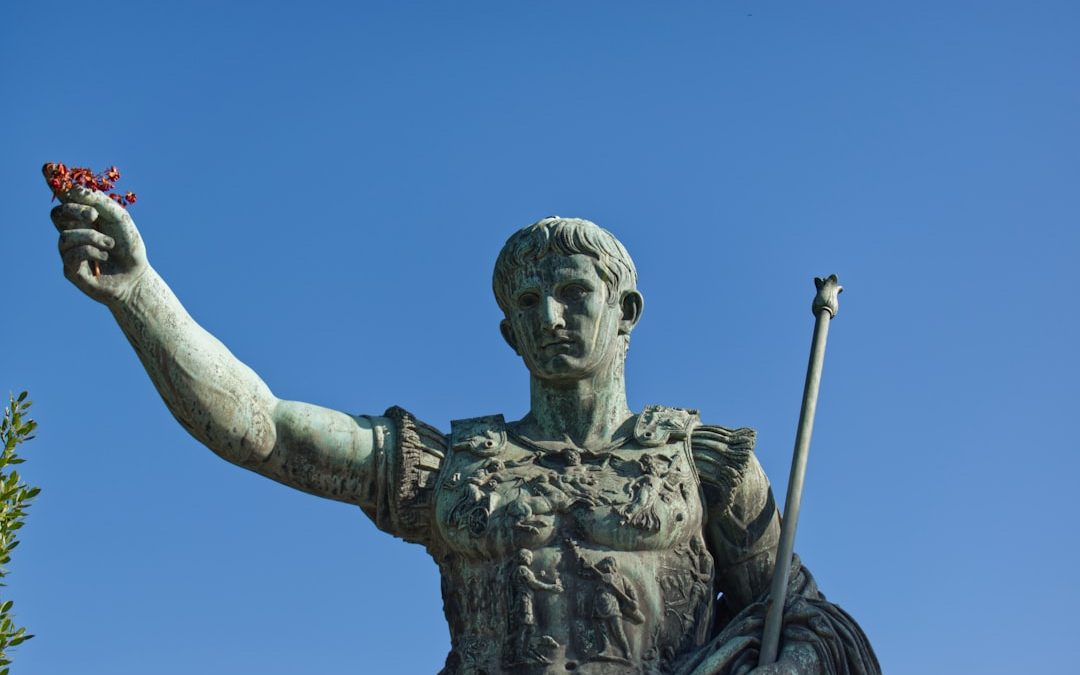
Bronze bust sculptures have a rich and fascinating history that dates back to ancient times. The art of creating bronze sculptures can be traced back to the ancient civilisations of Mesopotamia, Egypt, Greece and Rome. The earliest known bronze sculptures were created using the lost-wax casting technique, a method that involves creating a wax model of the sculpture, encasing it in clay, and then melting the wax to leave a hollow space for the molten bronze to be poured into.
This technique allowed for the creation of intricate and detailed sculptures, including busts of prominent individuals. In ancient Greece, bronze sculptures, including busts, were highly prized and were often used to commemorate gods, heroes and important figures in society. The Greeks were renowned for their mastery of bronze casting, and their sculptures were highly sought after by collectors and patrons.
The Romans also adopted the art of bronze sculpture from the Greeks and used it to create lifelike portraits of emperors, statesmen and other notable individuals. These ancient bronze busts served as a way to honour and immortalise the achievements and legacies of important figures in history.
Summary
- Bronze bust sculptures have a rich historical origin, dating back to ancient civilizations such as the Greeks and Romans.
- Creating a custom bronze bust involves a meticulous process, from conceptualization to the final casting and finishing touches.
- Bronze busts hold significant cultural and historical value, often commemorating influential individuals and preserving their legacy.
- Personalized bronze busts play a crucial role in honouring and immortalizing the achievements and contributions of notable figures.
- The evolution of bronze bust sculptures has seen a continuous development in style and technique, from ancient times to the modern era.
The Process of Creating a Custom Bronze Bust: From Concept to Completion
The Conception of the Bust
The process commences with the conception of the bust, which may involve studying photographs, sketches, or other references to capture the likeness and character of the individual being commemorated. Once the concept is finalised, the sculptor will create a maquette or small-scale model of the bust to capture the proportions and features of the subject.
Creating the Full-Scale Bust
After the maquette is approved, the sculptor will begin the process of creating the full-scale bust. This typically involves sculpting the bust in clay to achieve a lifelike representation of the subject. Once the clay sculpture is completed and refined, it is then used to create a mould for the lost-wax casting process.
The Lost-Wax Casting Process
The mould is carefully prepared, and molten bronze is poured into the cavity to create the final bronze bust. After the bronze has cooled and solidified, the mould is removed, and the finishing touches are applied to the sculpture, including polishing, patination, and any additional details or inscriptions.
The Significance of Bronze Busts in Art and History
Bronze busts hold significant cultural and historical importance as they serve as tangible representations of individuals who have made significant contributions to society. Throughout history, bronze busts have been used to honour leaders, scholars, artists, and other influential figures, serving as a lasting tribute to their achievements and legacies. These sculptures provide a physical connection to the past and offer a means of preserving the memory of important individuals for future generations.
In addition to their historical significance, bronze busts also hold artistic value as they showcase the skill and craftsmanship of the sculptors who create them. The lifelike representations captured in bronze busts require a high level of technical proficiency and artistic vision, making them valuable works of art in their own right. Bronze busts also serve as a form of portraiture, capturing not only the physical likeness of the subject but also their personality, character, and essence.
Exploring the Role of Personalized Bronze Busts in Commemorating Individuals
Personalized bronze busts play a crucial role in commemorating individuals who have made a lasting impact on society. These custom sculptures are often commissioned to honour leaders, philanthropists, scholars, and other influential figures, serving as a permanent tribute to their contributions. Personalized bronze busts are commonly displayed in public spaces such as parks, museums, universities, and government buildings, where they serve as a reminder of the individual’s achievements and legacy.
In addition to public spaces, personalized bronze busts are also often displayed in private settings such as homes, offices, and corporate headquarters. These sculptures serve as a personal and meaningful way to honour loved ones or individuals who have had a significant impact on an organisation or community. Whether displayed publicly or privately, personalized bronze busts provide a tangible representation of the individual being commemorated and serve as a source of inspiration and remembrance for future generations.
The Evolution of Bronze Bust Sculptures: From Ancient Times to the Present
The art of creating bronze bust sculptures has evolved significantly over time, with advancements in technology and artistic techniques shaping the way these sculptures are produced. In ancient times, bronze busts were created using traditional methods such as lost-wax casting, which required a high level of skill and craftsmanship. These early sculptures often depicted gods, rulers, and other prominent figures in society and were highly prized for their lifelike representations.
As time progressed, the art of creating bronze busts continued to evolve, with artists experimenting with new styles and techniques to capture the essence of their subjects. In modern times, advancements in 3D scanning and printing technology have revolutionised the process of creating custom bronze busts, allowing for more precise and detailed representations of individuals. These technological advancements have expanded the possibilities for creating personalized bronze busts, making it easier for artists to capture the unique features and expressions of their subjects.
The Artistry and Craftsmanship of Creating a Custom Bronze Bust
The creation of a custom bronze bust requires a high level of artistry and craftsmanship to capture the likeness and character of the subject. Skilled sculptors possess an innate ability to translate two-dimensional references such as photographs or sketches into three-dimensional forms that convey depth, expression, and emotion. The process of sculpting in clay requires precision and attention to detail to ensure that the final bronze bust accurately represents the individual being commemorated.
In addition to sculpting, the lost-wax casting process also demands a high level of technical proficiency and expertise. The preparation of the mould, the pouring of molten bronze, and the finishing touches all require precision and skill to create a high-quality bronze bust. The artistry and craftsmanship involved in creating a custom bronze bust are what make these sculptures so valuable and cherished as they capture not only the physical likeness but also the spirit and essence of the subject.
The Enduring Appeal of Bronze Bust Sculptures: A Timeless Art Form
Bronze bust sculptures have stood the test of time as a timeless art form that continues to captivate audiences with its beauty and significance. These sculptures hold an enduring appeal due to their ability to capture the essence of individuals in a tangible and lasting form. Whether depicting historical figures or contemporary personalities, bronze busts serve as a powerful means of preserving the memory and legacy of important individuals for future generations.
The enduring appeal of bronze bust sculptures also lies in their ability to transcend cultural and temporal boundaries. These sculptures have been revered by various civilizations throughout history and continue to be valued in contemporary society for their artistic merit and historical significance. As such, bronze bust sculptures remain an important form of artistic expression that continues to inspire and resonate with audiences around the world.
In conclusion, bronze bust sculptures have a rich history that dates back to ancient times when they were used to honour gods, rulers, and other prominent figures in society. The process of creating a custom bronze bust requires meticulous attention to detail and a high level of artistry and craftsmanship to capture the likeness and character of the subject. These sculptures hold significant cultural and historical importance as they serve as tangible representations of individuals who have made lasting contributions to society.
Whether displayed publicly or privately, personalized bronze busts provide a meaningful way to honour loved ones or individuals who have had a significant impact on an organisation or community. The artistry and craftsmanship involved in creating a custom bronze bust are what make these sculptures so valuable as they capture not only the physical likeness but also the spirit and essence of the subject. Bronze bust sculptures have stood the test of time as a timeless art form that continues to captivate audiences with its beauty and significance.
FAQs
What is a bronze bust sculpture?
A bronze bust sculpture is a three-dimensional representation of a person’s head, neck, and shoulders, typically created using the medium of bronze.
What is the history of bronze bust sculptures?
Bronze bust sculptures have a rich history dating back to ancient civilizations such as the Greeks and Romans, who used bronze to create lifelike portraits of important figures. The tradition continued through the Renaissance and into the modern era.
How are bronze bust sculptures made?
Bronze bust sculptures are typically created using the lost-wax casting method. This involves creating a mould of the subject’s head and shoulders, pouring molten bronze into the mould, and then removing the mould to reveal the finished sculpture.
What are some famous examples of bronze bust sculptures?
Famous examples of bronze bust sculptures include the bust of Nefertiti from ancient Egypt, the bust of Julius Caesar from ancient Rome, and modern sculptures such as the bust of Winston Churchill by Jacob Epstein.
What is the significance of bronze bust sculptures in art history?
Bronze bust sculptures have been used throughout history to commemorate and honour important individuals, as well as to capture the likeness and character of the subject. They are also valued for their artistic and aesthetic qualities.