
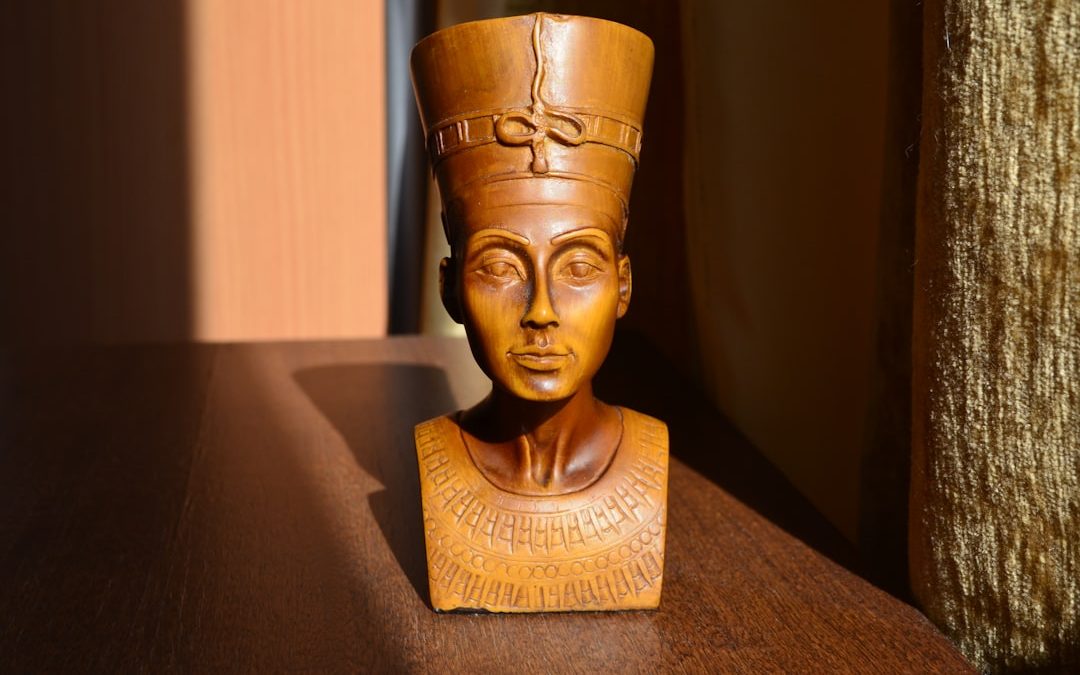
Bronze, an alloy primarily composed of copper and tin, has a rich and storied history that dates back thousands of years. Its use in sculpture can be traced to ancient civilisations, where it was prized for its durability and aesthetic qualities. The earliest known bronze sculptures emerged in the Near East around 3500 BC, with the material quickly spreading to cultures such as the Egyptians, Greeks, and Romans.
Each of these societies harnessed the unique properties of bronze to create works that not only served decorative purposes but also conveyed cultural and political significance. As we delve deeper into the annals of history, we find that bronze was not merely a medium for artistic expression; it was also a symbol of power and prestige. In ancient Greece, for instance, bronze statues of gods and heroes adorned temples and public spaces, serving as both religious icons and reminders of civic pride.
The famous Greek sculptor Phidias is renowned for his monumental bronze works, which exemplified the technical prowess and artistic vision of the time. The legacy of bronze as a sculpture material continued through the ages, influencing countless artists and movements, ultimately establishing itself as a cornerstone of artistic practice.
Summary
- Bronze has been used as a sculpture material for thousands of years, with evidence of bronze sculptures dating back to ancient civilizations such as the Greeks and Romans.
- The properties of bronze, including its durability, malleability, and ability to hold intricate details, make it an ideal material for creating bust sculptures.
- The process of creating a bronze bust sculpture involves several stages, including sculpting the initial model in clay, creating a mould, casting the bronze, and finishing and patinating the final sculpture.
- Bronze bust sculptures have been popular throughout history as a way to honour and commemorate important figures, from political leaders to cultural icons.
- Custom bronze bust sculptures continue to appeal to individuals and institutions looking to create unique and timeless tributes to loved ones or influential figures.
The Properties of Bronze that Make it Ideal for Bust Sculptures
The allure of bronze as a medium for bust sculptures lies in its remarkable properties. One of the most significant advantages is its malleability, which allows artists to achieve intricate details and lifelike representations. This quality enables us to capture the subtleties of human expression, from the gentle curve of a smile to the furrowed brow of contemplation.
The ability to manipulate bronze into fine features makes it an ideal choice for creating busts that resonate with viewers on an emotional level. Moreover, bronze possesses a unique patina that develops over time, adding depth and character to sculptures. This natural ageing process can enhance the visual appeal of a bust, creating a rich tapestry of colours that reflect the passage of time.
Unlike other materials, such as marble or plaster, bronze can withstand the elements, making it suitable for both indoor and outdoor installations. This durability ensures that bronze busts can endure through generations, preserving the artistry and intent behind their creation for years to come.
The Process of Creating a Bronze Bust Sculpture
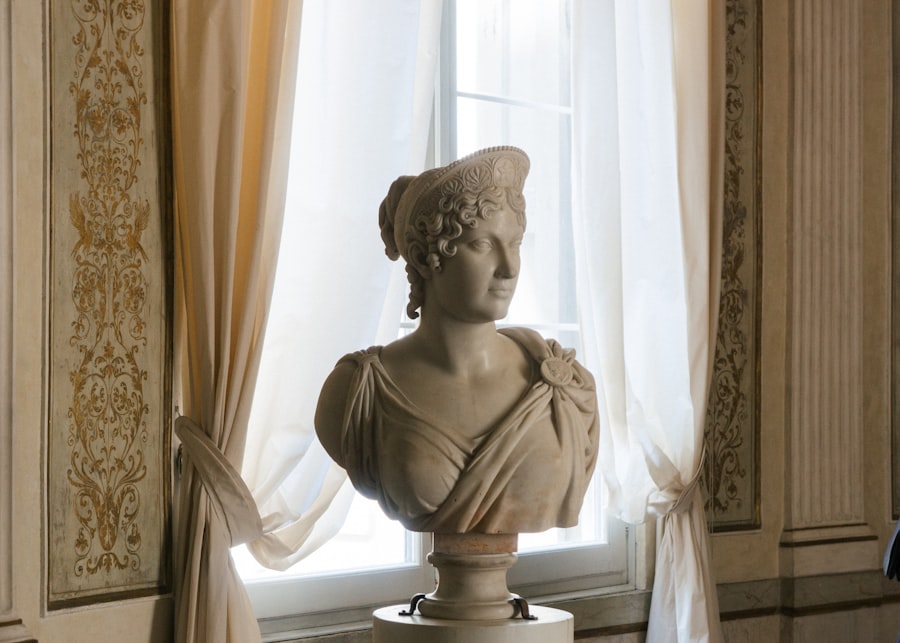
Creating a bronze bust sculpture is a meticulous process that requires both skill and patience. It typically begins with the artist crafting a model from clay or wax, allowing for an initial exploration of form and detail. This stage is crucial, as it serves as the foundation for the final piece.
Once the model is complete, a mould is created, often using materials like plaster or silicone to capture every nuance of the original work. After the mould is prepared, we move on to the casting process. This involves melting bronze at high temperatures and pouring it into the mould.
As the molten metal cools and solidifies, it takes on the shape of the original model. Once cooled, the mould is removed, revealing a rough bronze bust that requires further refinement. This stage often involves chiselling and polishing to achieve the desired finish.
Finally, we may apply patinas or other surface treatments to enhance the sculpture’s aesthetic qualities, resulting in a stunning work of art that embodies both technical skill and creative vision.
The Popularity of Bronze Bust Sculptures Throughout History
Throughout history, bronze bust sculptures have enjoyed immense popularity across various cultures and artistic movements. In ancient Rome, for example, busts of emperors and notable figures were commonplace, serving as both commemorative pieces and tools for political propaganda. These sculptures were often displayed in public spaces, reinforcing the status and legacy of those depicted.
The tradition continued into the Renaissance when artists like Donatello and Michelangelo created iconic bronze busts that celebrated humanism and individualism. As we moved into the 19th century, the popularity of bronze busts surged once more with the rise of neoclassicism and romanticism. Artists sought to capture not only physical likenesses but also the essence of their subjects’ character and intellect.
This period saw an explosion of creativity in bronze sculpture, with works that ranged from grand historical figures to intimate portraits. The versatility of bronze allowed artists to experiment with different styles and techniques, further solidifying its place in the pantheon of artistic mediums.
The Appeal of Custom Bronze Bust Sculptures
In contemporary society, custom bronze bust sculptures have gained significant appeal among collectors and art enthusiasts alike. The allure lies in their ability to encapsulate personal stories and commemorate individuals in a unique way. Whether it’s a tribute to a beloved family member or a representation of a significant historical figure, custom busts offer a deeply personal connection that mass-produced art cannot replicate.
Moreover, commissioning a custom bronze bust allows individuals to collaborate closely with artists, ensuring that their vision is realised in every detail. This process fosters a sense of ownership and pride in the final piece, as it becomes not just an artwork but a cherished heirloom. As we navigate our increasingly digital world, the tactile nature of bronze busts serves as a reminder of our shared humanity and the stories that bind us together.
The Role of Bronze Bust Sculptures in Commemorating Historical Figures
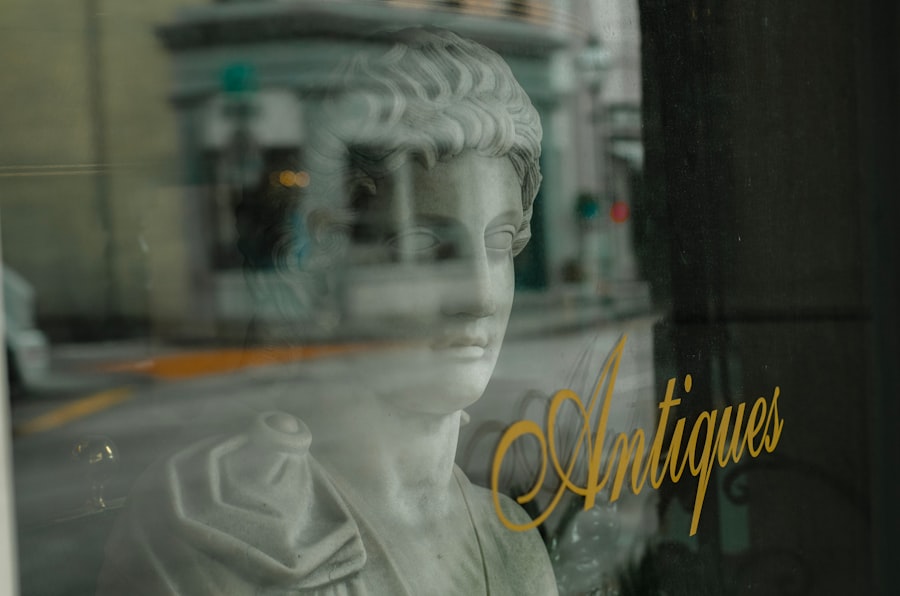
Bronze bust sculptures have long played a vital role in commemorating historical figures and preserving their legacies. From military leaders to cultural icons, these sculptures serve as enduring reminders of individuals who have shaped our world. They are often placed in prominent locations such as parks, museums, and government buildings, where they can inspire future generations and provoke reflection on our shared history.
The significance of these busts extends beyond mere representation; they embody the values and ideals associated with their subjects. For instance, a bust of a renowned scientist may inspire curiosity and innovation, while one depicting a civil rights leader may evoke thoughts on justice and equality. In this way, bronze busts become powerful symbols that encourage dialogue about our past while influencing our present and future.
The Contemporary Use of Bronze Bust Sculptures in Art and Design
In recent years, we have witnessed a resurgence in the use of bronze bust sculptures within contemporary art and design. Artists are exploring new themes and techniques while still honouring traditional methods. This fusion of old and new has led to innovative works that challenge our perceptions of sculpture as an art form.
Contemporary artists often incorporate mixed media or abstract elements into their bronze busts, pushing boundaries and inviting viewers to engage with their creations on multiple levels. Additionally, designers are increasingly incorporating bronze busts into interior spaces as statement pieces that add character and sophistication. These sculptures can serve as focal points in homes or public spaces, bridging the gap between fine art and functional design.
As we embrace this trend, we find ourselves drawn to the timeless elegance of bronze while simultaneously celebrating its adaptability in modern contexts.
The Future of Bronze as a Medium for Bust Sculptures
Looking ahead, we can anticipate an exciting future for bronze as a medium for bust sculptures. As technology continues to evolve, artists are likely to experiment with new techniques such as 3D printing alongside traditional methods. This integration may lead to innovative approaches that challenge our understanding of sculpture while maintaining the essence of what makes bronze so appealing.
Furthermore, as society becomes increasingly aware of environmental issues, there may be a shift towards sustainable practices within bronze casting. Artists could explore eco-friendly materials or methods that reduce waste while still producing stunning works of art. In this way, we can envision a future where bronze remains not only a cherished medium but also one that aligns with contemporary values surrounding sustainability and responsibility.
In conclusion, our exploration of bronze as a sculpture material reveals its enduring significance throughout history and its continued relevance today. From its rich past to its promising future, bronze bust sculptures encapsulate human experience in ways that resonate deeply with us all. As we celebrate this remarkable medium, we are reminded of its power to connect us across time and space through art.
FAQs
What is bronze?
Bronze is a metal alloy made primarily of copper, with tin as the main additive, and other elements such as aluminium, manganese, or phosphorus added to produce specific properties.
Why is bronze used for bust sculptures?
Bronze is a popular choice for bust sculptures due to its durability, malleability, and ability to hold intricate details. It also has a timeless aesthetic and can withstand outdoor elements.
How is a bronze bust sculpture made?
The process of creating a bronze bust sculpture involves making a clay or wax model, creating a mould around the model, pouring molten bronze into the mould, and then finishing and patinating the bronze to achieve the desired look.
What are the advantages of using bronze for bust sculptures?
Bronze is a long-lasting material that can withstand the test of time, making it ideal for outdoor sculptures. It also allows for intricate details and can be easily repaired if damaged.
What is the history of bronze in sculpture?
Bronze has been used for sculpture since ancient times, with notable examples from ancient Greece, Rome, and China. It became particularly popular during the Renaissance and has remained a favoured medium for sculptors ever since.