

As we delve into the world of bronze busts, it becomes essential to comprehend the factors that contribute to their tarnishing. Bronze, an alloy primarily composed of copper and tin, is renowned for its durability and aesthetic appeal. However, it is not impervious to the effects of time and environmental conditions.
The tarnishing process occurs when the surface of the bronze reacts with elements in its surroundings, leading to the formation of a patina. This patina can manifest as a greenish or brownish film, which, while sometimes appreciated for its antiquated charm, can also detract from the original beauty of the sculpture. Several environmental factors play a significant role in the tarnishing of bronze busts.
Exposure to moisture, air pollutants, and even acidic substances can accelerate the oxidation process. For instance, when bronze is subjected to high humidity levels, it can lead to the formation of copper salts that contribute to tarnishing. Additionally, pollutants such as sulphur dioxide and nitrogen oxides can react with the bronze, further exacerbating the deterioration.
Understanding these causes allows us to take proactive measures in preserving our cherished bronze sculptures.
Summary
- Tarnishing in bronze busts can be caused by exposure to air, moisture, and pollutants in the environment.
- When choosing a protective coating for bronze sculpture, consider factors such as durability, UV resistance, and ease of application.
- Regular cleaning and maintenance, including dusting and waxing, can help prevent tarnishing on custom bronze busts.
- Display bronze busts in well-ventilated areas away from direct sunlight and moisture to prevent tarnishing.
- Environmental factors such as humidity, pollution, and temperature fluctuations can impact the long-term protection of bronze busts.
Choosing the Right Protective Coating for Bronze Sculpture
Clear Lacquer: A Practical Solution
One popular choice is a clear lacquer, which forms a barrier against moisture and pollutants while allowing the natural beauty of the bronze to shine through. This type of coating is relatively easy to apply and can be reapplied as needed, making it a practical solution for many collectors.
Wax-Based Coatings: A Traditional Approach
Another option we might consider is wax-based coatings. These provide a more traditional approach to protection and can enhance the lustre of the bronze. Wax coatings require regular maintenance, as they can wear off over time, but they offer a level of breathability that some collectors prefer.
Choosing the Right Coating for Your Needs
Ultimately, the choice of protective coating will depend on our specific needs and preferences, as well as the environment in which the bust will be displayed.
Cleaning and Maintenance Tips for Custom Bronze Busts

To ensure our custom bronze busts remain in pristine condition, regular cleaning and maintenance are essential. We should begin by dusting the sculpture gently with a soft, dry cloth to remove any surface dirt or debris. It is crucial to avoid abrasive materials that could scratch the surface of the bronze.
For more stubborn grime, we can use a mild soap solution and a soft sponge, taking care not to soak the sculpture or allow water to accumulate in any crevices. In addition to routine cleaning, we must also consider periodic inspections for signs of tarnishing or damage. If we notice any discolouration or corrosion, it may be necessary to take further action.
Depending on the severity of the tarnish, we might opt for a gentle polishing with a specialised bronze cleaner or consult a professional conservator for more extensive restoration work. By staying vigilant and proactive in our maintenance efforts, we can significantly extend the life and beauty of our bronze busts.
Displaying and Storing Bronze Busts to Prevent Tarnishing
The way we display and store our bronze busts plays a crucial role in their preservation. When displaying these sculptures, we should choose locations that are away from direct sunlight and extreme temperature fluctuations. Sunlight can cause fading and discolouration over time, while excessive heat or cold can lead to structural damage.
Ideally, we should place our busts in a controlled environment with stable humidity levels to minimise the risk of tarnishing. When it comes to storage, we must take care to protect our bronze busts from potential damage. Wrapping them in acid-free tissue paper and placing them in a sturdy box can help shield them from dust and environmental pollutants.
If we need to stack multiple sculptures, we should ensure that they are adequately cushioned to prevent any contact that could lead to scratches or dents. By being mindful of how we display and store our bronze busts, we can significantly reduce the likelihood of tarnishing and maintain their aesthetic appeal.
Environmental Factors to Consider for Long-Term Bronze Bust Protection
As we consider long-term protection for our bronze busts, it is vital to evaluate various environmental factors that could impact their condition. One significant aspect is humidity; high levels can accelerate tarnishing due to increased moisture in the air. Therefore, maintaining a stable indoor climate with controlled humidity levels is essential for preserving our sculptures.
Using dehumidifiers in particularly damp areas can help mitigate this risk. Air quality is another critical factor that we must not overlook. Pollutants such as dust, smoke, and industrial emissions can contribute to the deterioration of bronze over time.
If we live in an area with high pollution levels, it may be wise to invest in air purifiers or display our busts in enclosed glass cases that provide an additional layer of protection against harmful particles. By being proactive about these environmental considerations, we can ensure that our bronze busts remain beautiful and intact for generations to come.
Professional Restoration and Conservation Services for Bronze Busts
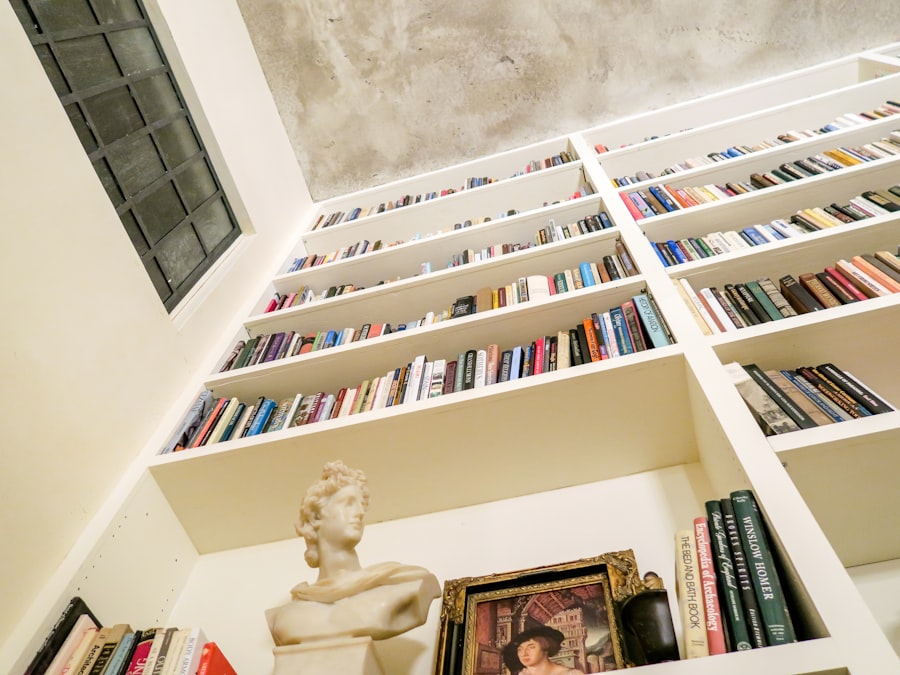
In some cases, despite our best efforts at maintenance and protection, our bronze busts may require professional restoration or conservation services. These specialists possess the knowledge and expertise necessary to address various issues that may arise over time, including severe tarnishing or structural damage. Engaging a professional conservator can be particularly beneficial if we own valuable or historically significant pieces that require careful handling.
When seeking professional services, it is essential to research potential conservators thoroughly. We should look for individuals or companies with experience specifically in bronze restoration and conservation. Reading reviews and asking for recommendations from fellow collectors can help us find reputable professionals who will treat our sculptures with the care they deserve.
By investing in expert restoration services when needed, we can ensure that our bronze busts are preserved for future generations while maintaining their artistic integrity.
DIY Methods for Preventing Tarnishing on Bronze Busts
For those of us who enjoy hands-on projects, there are several DIY methods we can employ to prevent tarnishing on our bronze busts. One effective approach is creating a homemade protective coating using natural ingredients such as beeswax or carnauba wax mixed with mineral oil. This mixture can be applied gently with a soft cloth, providing a protective layer that helps repel moisture and pollutants while enhancing the lustre of the bronze.
Another DIY method involves using a simple vinegar solution for cleaning purposes. By diluting white vinegar with water and applying it with a soft cloth, we can effectively remove light tarnish without damaging the surface of the sculpture. However, it is crucial to rinse thoroughly with clean water afterward to prevent any residual acidity from causing further tarnishing.
While these DIY methods can be effective for minor maintenance tasks, we should always exercise caution and consider consulting professionals for more significant restoration needs.
Investing in Quality Materials and Craftsmanship for Long-Lasting Bronze Busts
Ultimately, one of the most effective ways to ensure that our bronze busts stand the test of time is by investing in quality materials and craftsmanship from the outset. When purchasing a bronze sculpture, we should seek out reputable artists or foundries known for their attention to detail and use of high-quality alloys. Well-crafted pieces are less likely to tarnish quickly and will often have better resistance to environmental factors.
Moreover, understanding the provenance of a piece can also inform our investment decisions. Sculptures created using traditional methods often exhibit superior durability compared to mass-produced alternatives. By prioritising quality over quantity in our collections, we not only enhance our enjoyment of these beautiful works of art but also contribute to their longevity and preservation for future generations to appreciate.
FAQs
What causes bronze busts to tarnish over time?
Bronze busts tarnish over time due to exposure to air and moisture, which causes a chemical reaction on the surface of the bronze called oxidation. This results in the formation of a layer of tarnish, which can dull the appearance of the bust.
How can I protect a bronze bust from tarnishing?
To protect a bronze bust from tarnishing, it is important to keep it clean and dry. Regular dusting and cleaning with a soft cloth can help remove any dirt or debris that could contribute to tarnishing. Additionally, applying a thin layer of wax or a protective coating specifically designed for bronze can help create a barrier against air and moisture.
What are some common methods for cleaning and maintaining a bronze bust?
Common methods for cleaning and maintaining a bronze bust include using a soft cloth to gently remove dust and dirt, and using a mild soap and water solution to clean the surface. It is important to avoid using abrasive materials or harsh chemicals, as these can damage the bronze.
How often should I clean and maintain a bronze bust to prevent tarnishing?
The frequency of cleaning and maintaining a bronze bust depends on its location and the level of exposure to air and moisture. In general, it is recommended to clean and maintain a bronze bust at least once every few months to prevent tarnishing. However, if the bust is located in a particularly humid or dusty environment, more frequent cleaning may be necessary.
Are there any specific environmental factors that can accelerate tarnishing of a bronze bust?
Yes, environmental factors such as high humidity, air pollution, and exposure to harsh chemicals can accelerate the tarnishing of a bronze bust. Additionally, direct sunlight can cause the bronze to become discoloured over time. It is important to consider these factors when choosing a location for displaying a bronze bust.