
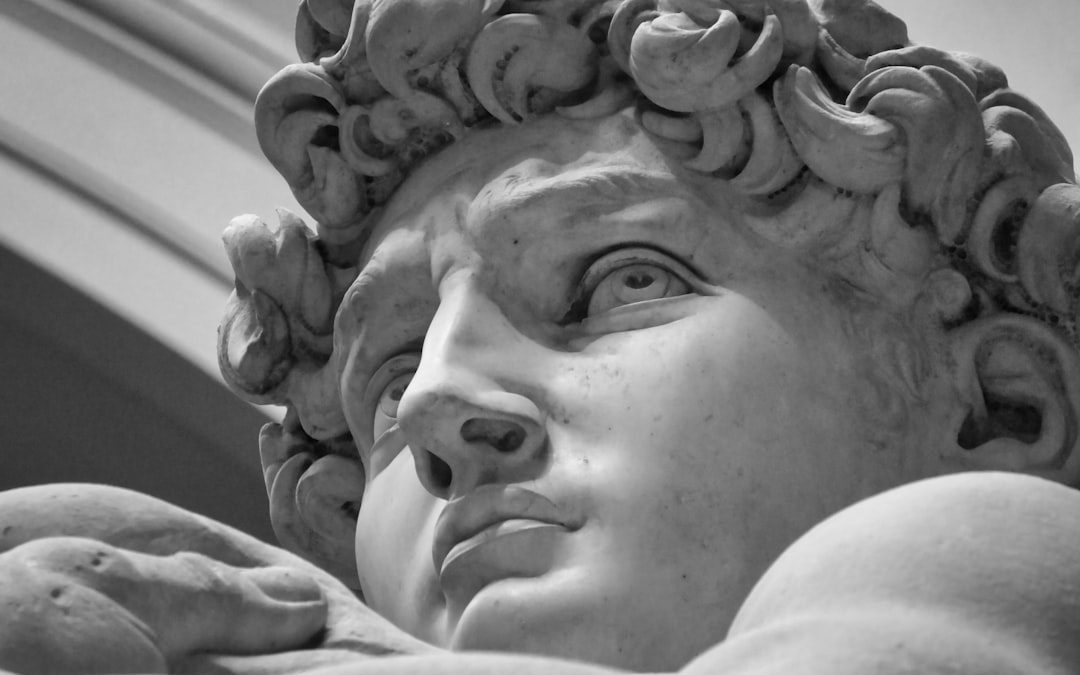
The art of custom busts has long been a cherished form of portraiture, allowing artists to capture the essence of their subjects in three-dimensional form. This unique medium not only serves as a representation of an individual’s likeness but also encapsulates their personality, emotions, and even their historical context. As we delve into the world of sculpting, we find that custom
As we move into the 18th century, we encounter Madame Tussaud, a pioneering figure who transformed the landscape of custom busts through her innovative use of wax. Tussaud’s journey began in France, where she honed her skills in sculpting lifelike figures from wax, creating an entirely new medium that would captivate audiences across Europe. Her ability to replicate not just the physical likeness but also the character and spirit of her subjects set her apart from her contemporaries.
Tussaud’s wax busts became a sensation, drawing crowds eager to see their favourite historical figures immortalised in this unique material. The establishment of Madame Tussaud’s museum in London marked a significant turning point in the world of custom busts. It provided a platform for her work and showcased an array of figures from various walks of life, including politicians, celebrities, and cultural icons.
The museum not only celebrated Tussaud’s artistry but also democratized access to art by allowing the public to engage with these figures in an interactive setting. Her legacy endures today, as her museum continues to attract millions of visitors each year, demonstrating the enduring appeal of custom busts in contemporary culture.
Auguste Rodin: Pioneering Modern Custom Busts with his Unique Style
In the late 19th century, Auguste Rodin emerged as a revolutionary force in the world of sculpture, bringing a new sensibility to custom busts that reflected the complexities of modern life. Rodin’s approach was characterised by a departure from traditional ideals; he embraced imperfection and raw emotion, capturing the essence of his subjects in a way that resonated deeply with viewers. His busts often conveyed a sense of movement and dynamism, challenging the static nature typically associated with portraiture.
One of Rodin’s most famous works, “The Thinker,” although not a bust in the traditional sense, embodies his innovative spirit and approach to form. His ability to convey profound thought and introspection through sculpture has influenced countless artists since. Rodin’s exploration of texture and surface detail added a new dimension to custom busts, inviting viewers to engage with the materiality of the work itself.
His legacy is evident in contemporary sculpture, where artists continue to experiment with form and expression in ways that echo Rodin’s pioneering vision.
Carpeaux and Houdon: French Sculptors Who Defined Custom Busts in the 18th Century
The 18th century also saw the emergence of two remarkable French sculptors: Jean-Baptiste Carpeaux and Jean-Antoine Houdon. Both artists made significant contributions to the art of custom busts, each bringing their unique style and perspective to this enduring medium. Carpeaux was known for his emotive and dynamic representations, often infusing his busts with a sense of movement that captured the spirit of his subjects.
His work reflects a deep understanding of human emotion, allowing viewers to connect with the figures on a personal level. Houdon, on the other hand, is celebrated for his meticulous attention to detail and commitment to realism. His busts often feature intricate textures and lifelike expressions that showcase his technical prowess as a sculptor.
Houdon’s ability to capture not just physical likeness but also the intellectual essence of his subjects has made his work highly regarded in art history. Together, Carpeaux and Houdon defined an era in which custom busts became not only artistic expressions but also cultural artefacts that reflected societal values and ideals.
The Legacy of Custom Busts: Contemporary Sculptors Carrying on the Tradition
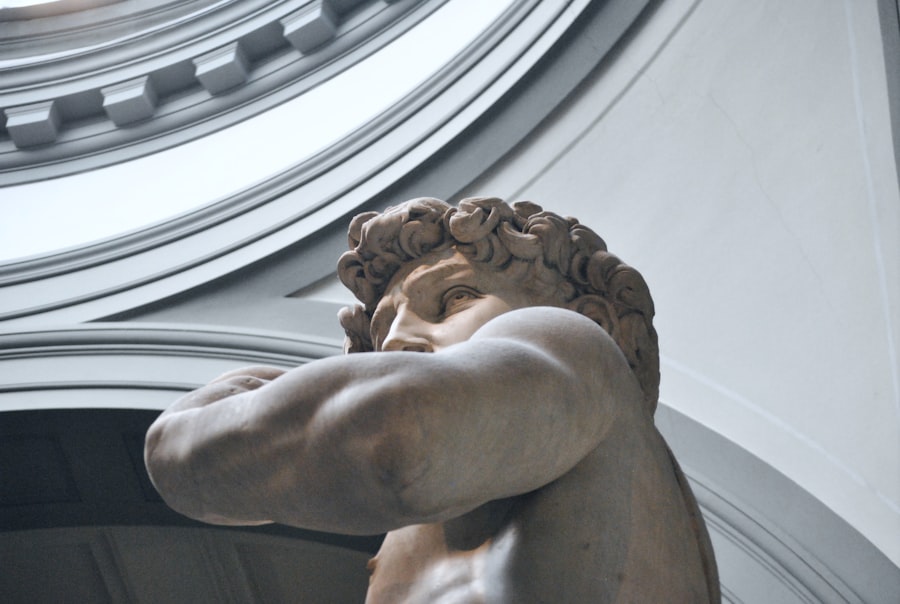
As we look towards contemporary sculptors, we find that the tradition of custom busts continues to thrive and evolve. Artists today draw inspiration from historical masters while also pushing the boundaries of what is possible within this medium. The resurgence of interest in portraiture has led many sculptors to explore new materials and techniques, incorporating elements such as mixed media and digital technology into their work.
This fusion of traditional craftsmanship with modern innovation allows for fresh interpretations of custom busts that resonate with contemporary audiences. Moreover, contemporary sculptors are increasingly focused on inclusivity and representation within their work. They strive to create busts that reflect diverse identities and experiences, challenging historical narratives that have often overlooked marginalised voices.
This shift not only enriches the art form but also fosters a deeper connection between artists and their communities. As we witness this evolution, it becomes clear that custom busts remain a vital means of expression, allowing artists to engage with pressing social issues while honouring the rich legacy established by their predecessors.
The Process of Creating Custom Busts: From Commission to Completion
The journey from concept to completion in creating custom busts is a meticulous process that requires collaboration between artist and subject. Initially, discussions take place regarding the vision for the bust—what aspects should be emphasised? What emotions should be conveyed? This dialogue is crucial as it sets the foundation for the artistic process ahead. Once an understanding is reached, artists often begin by gathering reference materials such as photographs or sketches to inform their work. The sculpting process itself involves several stages, starting with an armature—a supportive framework upon which clay or other materials are built up. Artists then gradually shape the features, paying close attention to proportions and details that will bring the likeness to life. This stage often requires multiple iterations as artists refine their work based on feedback from their subjects or clients. Once satisfied with the clay model, they may create a mould for casting in materials such as bronze or resin or opt for finishing techniques if working with wax or other mediums. Each step is imbued with care and intention, reflecting both technical skill and artistic vision.
The Enduring Appeal of Custom Busts: How These Sculptures Continue to Captivate Audiences
The enduring appeal of custom busts lies in their ability to transcend time and connect us with individuals from different eras and backgrounds. These sculptures serve as tangible links to history, allowing us to engage with figures who have shaped our world in profound ways. Whether it is through their likenesses or the stories they tell, custom busts invite us into a dialogue about identity, culture, and legacy.
Moreover, as we navigate an increasingly digital world, there remains a deep appreciation for handcrafted art forms like custom busts. The tactile nature of sculpture offers a sensory experience that resonates with audiences seeking authenticity in an age dominated by virtual representations. As contemporary artists continue to innovate within this tradition while honouring its rich history, we can be assured that custom busts will remain a captivating medium for generations to come.
Through these sculptures, we celebrate not only individual identities but also our shared humanity—a testament to the power of art in bridging divides across time and space.
FAQs
Who are some famous sculptors known for creating custom busts?
Some famous sculptors known for creating custom busts include Michelangelo, Auguste Rodin, and Antonio Canova.
What is a custom bust?
A custom bust is a sculpted representation of a person’s head and shoulders, typically created as a portrait or commemorative piece.
What materials are custom busts typically made from?
Custom busts can be made from a variety of materials, including marble, bronze, clay, and resin.
What is the process of creating a custom bust?
The process of creating a custom bust typically involves taking measurements and reference photographs of the subject, creating a clay or digital maquette, and then sculpting the final piece in the chosen material.
What are some famous examples of custom busts in art history?
Some famous examples of custom busts in art history include the bust of Nefertiti, created by the sculptor Thutmose, and the bust of Queen Victoria, created by the sculptor Sir Alfred Gilbert.
How are custom busts used in contemporary art and culture?
Custom busts are often used in contemporary art and culture as commemorative pieces, portrait sculptures, and decorative elements in interior design. They can also be commissioned as gifts or awards.